
Understanding the Concept of Teen Camp
-
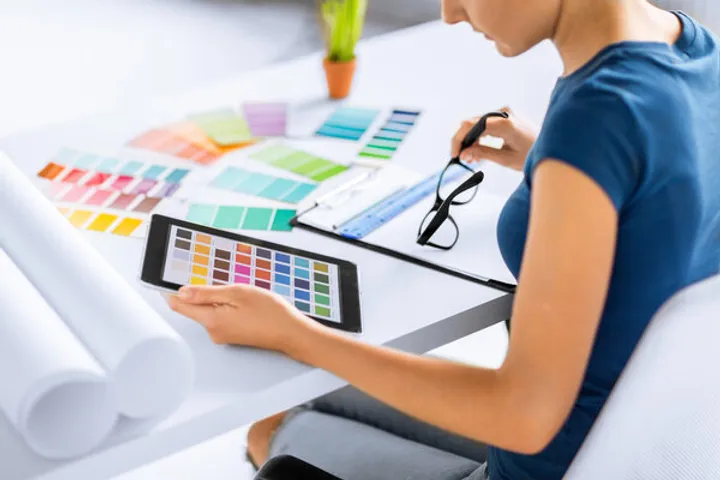
Pastels: Light pinks, pale blues, and mint greens cultivate a serene environment ideal for relaxation. A room with pastel shades can reduce stress and promote a sense of calm.
-
Bold Colors: Bright yellows and vibrant greens can serve as exciting accents, adding energy against softer tones. For instance, combining pastel greens with bold sunflower yellows can create a refreshing look.
-
Nature-Inspired Palettes: Earthy tones like greens and browns combine with soft blues, evoking a sense of nature indoors. A study from the University of Exeter found that natural colors significantly boost mood and well-being, making them perfect for a teen’s room.
Incorporating these colors can transform any space, allowing teens to express their style while maintaining a seasonal vibe.

-
Sign up for our Newsletter to receive updates and special offers from OfCourse Interior Design Academy
Fabrics: Choose soft cottons, velvets, or eco-friendly materials. Adding throws, decorative cushions, and plush rugs can enhance comfort. For example, a soft velvet throw can create a cozy reading nook.
-
Wall Treatments: Explore fun wallpaper or decals that resonate with a teen’s interests—like music legends or nature scenes. Geometric patterns or flowery designs can set a playful tone for the room.
-
Furniture Types: Look for versatile furniture, such as bean bags or foldable desks, that maximizes space while adding character. Vintage pieces can also create a unique story that reflects personal taste.
Combining textures results in an inviting atmosphere where teens can unwind and unleash their creative potential.
Incorporating Personal Touches
The beauty of a teenager designing their own space is the opportunity for personalization. Here are ways to make the space uniquely their own:
-
Wall Art: Encourage the creation or display of DIY art and framed photographs. Custom artwork featuring personal experiences can serve as a meaningful focal point.
-
Hobby Zones: Set aside designated areas for hobbies—like a corner for musical instruments or space to showcase collections, such as action figures or books.
-
Mood Boards: Create a dedicated wall or bulletin board for pinning inspiring images, quotes, and memories. This keeps motivation alive and encourages creativity.
Adding these personal touches transforms an ordinary room into a true sanctuary, making it feel special and genuinely reflective of the teenager’s character.

Merging Aesthetics with Functionality
While it’s essential for a space to look good, it should also serve a purpose. Here are some practical ways to merge beauty with functionality:
-
Storage Solutions: Use vertical shelving units or decorative storage boxes to keep the room organized while looking stylish. This can save space and minimize clutter.
-
Study Areas: Designate a well-lit area exclusively for study with enough workspace and comfort. This encourages focus during study time while still being aesthetically pleasing.
-
Multi-purpose Furniture: Search for furniture with dual functions, such as a desk that also serves as a nightstand. An example would be a desk with built-in drawers for easy access to school supplies.
These functional elements make daily living easier without compromising the room’s overall design.
-
Natural Light: Maximize sunlight by using sheer curtains. Natural light can significantly improve mood and create a welcoming atmosphere.
-
Ambient Lighting: Incorporate soft lamps for a cozy vibe that’s perfect for winding down after a long day. A table lamp with a warm light bulb can create a relaxing ambiance.
-
Accent Lighting: Consider adding string lights or colorful LED strips. These can introduce dynamic, playful touches ideal for a teen’s space.
Adjusting the lighting can dramatically shift the ambiance of a room. It can cater to different activities—whether it’s studying, hanging out with friends, or simply relaxing.
Personalizing Spaces for Growth and Memories
Crafting a personal space for teens is a thrilling journey that allows them to express themselves while personalizing their environments. By paying attention to trends in color schemes, textures, personal touches, functionality, and lighting, they can create a stylish room that works for various activities.
Through these elements combined with their creativity, teens can design a space that not only reflects their personality but also serves as a foundation for memories, self-exploration, and growth. Happy decorating!
