
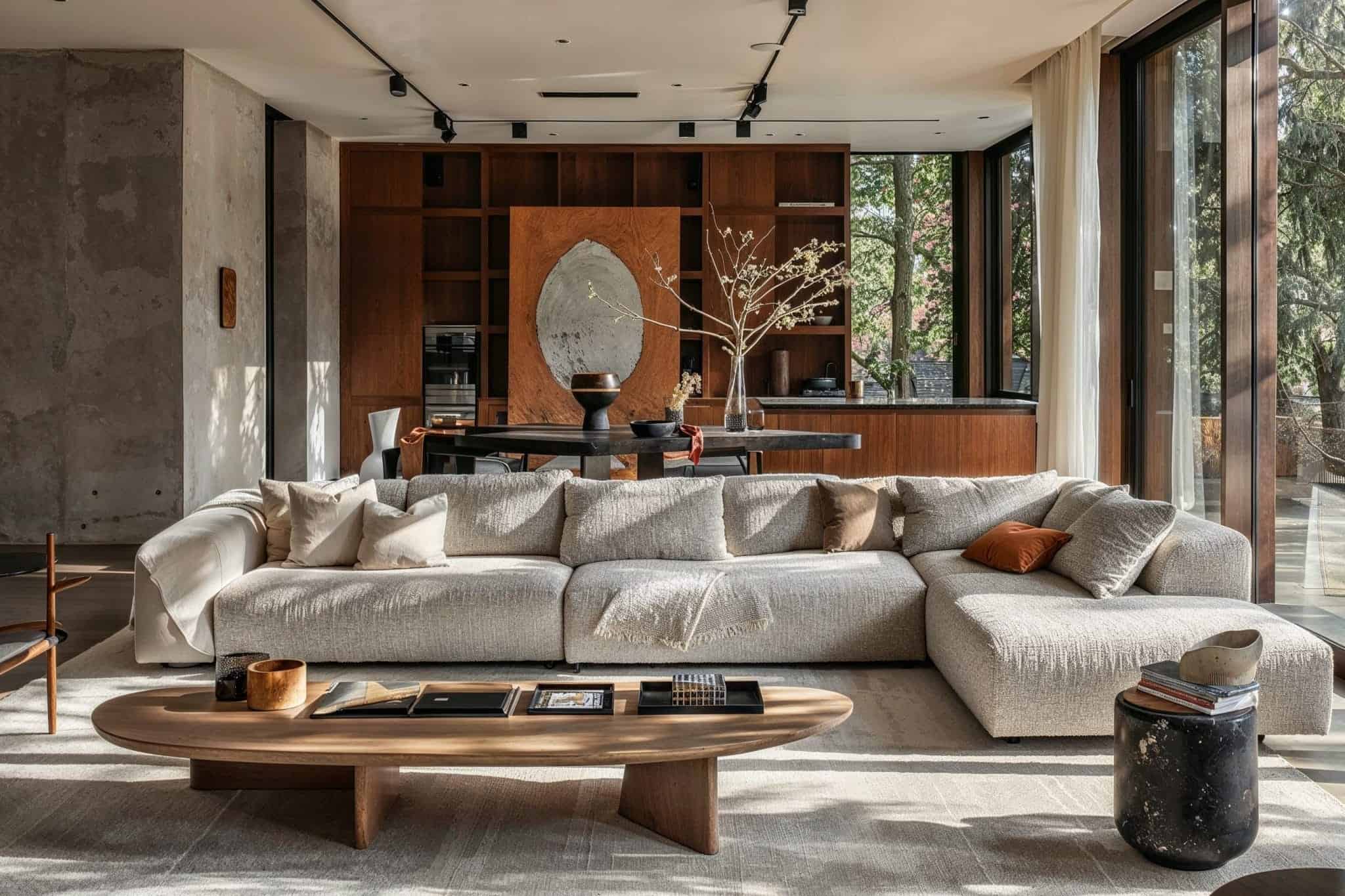
Today, we have a fantastic topic on the blog to dive into – Phases of Interior Design Process
Whether you are a seasoned interior designer or someone who is passionate about creating beautiful spaces, understanding the phases of the interior design process is essential. In today’s episode, we will explore the various phases of interior design, providing you with valuable insights and tips on how to efficiently and effectively phase your design work. So, let’s get started!
The first phase of the interior design process is the exploration phase. During this phase, designers work closely with clients to gain a deep understanding of their needs, preferences, and lifestyle. It involves conducting multiple discussions, interviews, and even site visits to capture the essence of the space.

Researching existing architectural plans, taking measurements, and analyzing the available resources is crucial in this phase. This allows designers to explore the constraints and possibilities of the space, ensuring that their creative vision aligns with the practical aspects of the project.
Once the exploration phase is complete, designers move on to the concept development phase. Here, they begin to translate the client’s aspirations and requirements into design concepts. This stage involves brainstorming, sketching, and creating mood boards to visually communicate the initial ideas.
Designers consider factors such as color schemes, materials, textures, and overall aesthetics while developing their concepts. The main goal is to present a coherent plan that captures the essence of the client’s vision while maintaining a balance between creativity and functionality.
Design Development
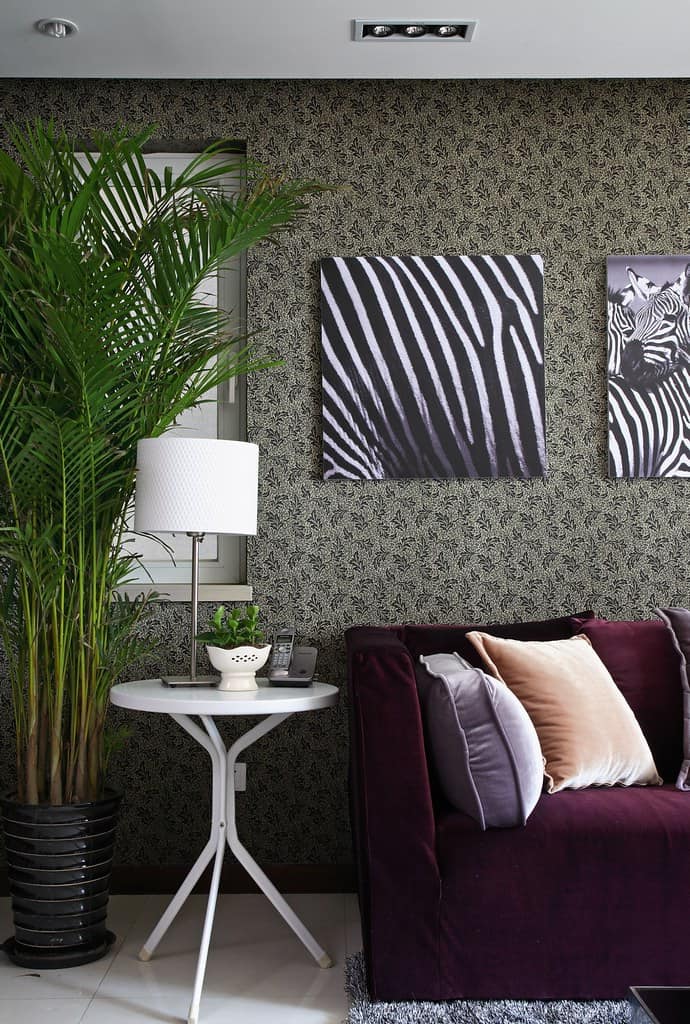
In the design development phase, designers start refining and developing their initial concepts into detailed plans. They create more detailed drawings, 3D renderings, and virtual models of the space to provide clients with a clear understanding of the final design. During this phase, designers also focus on addressing practical considerations such as electrical layouts, plumbing, and any construction requirements. They collaborate with architects, engineers, and contractors to ensure that the design aligns with building codes and regulations.
Documentation
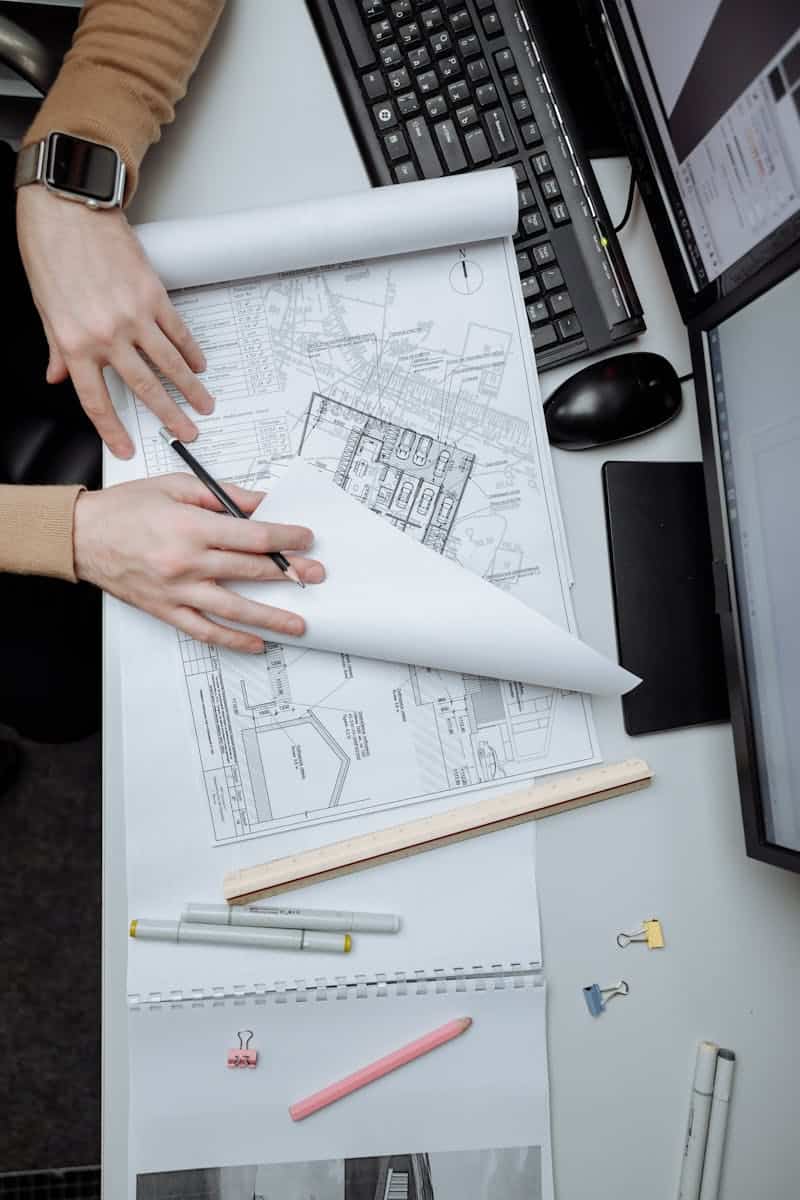
Documentation is a crucial phase in any interior design project. It involves creating detailed documentation that accurately communicates the design to the client, suppliers, and contractors. This includes detailed drawings, specifications, and schedules for materials, furniture, fixtures, and equipment. Accurate documentation helps to avoid misunderstandings, delays, and cost overruns during the execution phase. It also serves as a legal document that outlines the responsibilities of all parties involved in the project.
Implementation and Construction

Once the design documentation is complete, it’s time for the implementation and construction phase. This phase involves bringing the design to life by coordinating with contractors, suppliers, and artisans. Designers may oversee the selection of materials, furniture installation, and any necessary modifications or adjustments. Regular site visits, close collaboration with the construction team, and effective project management are crucial during this phase. Designers ensure that the design is executed according to the plan, monitor the quality of workmanship, and address any unforeseen challenges that may arise.
Completion and Evaluation
The final phase of the interior design process is the completion and evaluation stage. Once the construction is complete, designers conduct a final walkthrough with the client to ensure that everything meets their expectations. Any final adjustments or touch-ups are made at this stage. Following the completion of the project, designers seek feedback from clients to evaluate the success of the design. This feedback helps them learn and improve their design process for future projects. It also allows them to build long-term relationships with clients by addressing any remaining concerns or requirements
And that brings us to the end of this blog on the phases of the interior design process. Understanding and effectively phasing your design work is critical for delivering successful interior design projects. By taking the time to thoroughly explore, develop concepts, refine designs, document the plans, oversee implementation and construction, and evaluate the final outcomes, designers can ensure client satisfaction, create beautiful spaces, and build a strong reputation in the industry.